

Why Prepare for Earthquakes in Coastal BC
Posted by Karl Lundgren on
Every parent in Coastal British Columbia faces the challenge of preparing for earthquakes in a region shaped by the powerful Cascadia Subduction Zone. Daily routines often carry a quiet worry about when seismic waves might disrupt family life or damage homes. Understanding these risks is the first step toward building a safer environment. This guide brings together key concepts and practical steps to help you protect your family and prepare your home before a major earthquake occurs.
Table of Contents
- Earthquakes In Coastal BC: Key Concepts
- Types Of Earthquakes Affecting British Columbia
- Cascadia Fault: Local Risk And Impacts
- Family Preparedness: Emergency Kits And Planning
- Home Safety Measures And Avoiding Risks
- Government Recommendations And Legal Obligations
Key Takeaways
| Point | Details |
|---|---|
| Seismic Activity in Coastal BC | Coastal British Columbia is situated on the Cascadia Subduction Zone, making it highly susceptible to major earthquakes, particularly megathrust events. |
| Types of Earthquakes | The region experiences various earthquake types, each requiring specific preparedness strategies due to their unique characteristics. |
| Emergency Preparedness | Families should develop emergency plans and maintain well-stocked kits, ensuring all members are educated about safety protocols. |
| Home Safety Measures | Securing furniture and essential household items can significantly mitigate risks and injuries during an earthquake. |
Earthquakes in Coastal BC: Key Concepts
Coastal British Columbia sits atop one of the most seismically active regions in North America: the Cascadia Subduction Zone. This geological feature represents a critical fault line where the Juan de Fuca and North American tectonic plates interact, creating significant potential for major earthquakes. Tectonic plate movements generate immense geological stress that can result in sudden, powerful seismic events.
The unique geological characteristics of Coastal BC make earthquake risk particularly complex. Unlike other regions, the subduction zone here involves an oceanic plate sliding beneath a continental plate, which creates substantial potential energy. When this built-up pressure eventually releases, it can trigger megathrust earthquakes capable of extraordinary destructive power. Scientists estimate that the entire fault line could generate earthquakes measuring 8.0 to 9.0 on the Richter scale - events with potentially devastating regional consequences.
Understanding earthquake mechanics helps residents comprehend the potential risks. Earthquakes occur when rocks at fault lines suddenly slip or break, releasing energy through seismic waves. These waves travel through Earth’s interior, causing ground shaking that can damage infrastructure, disrupt critical services, and pose significant safety risks to communities.
Key characteristics that define earthquake potential in Coastal BC include:
- Proximity to active tectonic boundaries
- Historical seismic activity patterns
- Local geological formations
- Underground rock composition
- Depth and angle of plate interactions
Pro tip: Regularly review and update your household earthquake preparedness plan, ensuring all family members understand emergency protocols and have access to essential survival supplies.
Types of Earthquakes Affecting British Columbia
British Columbia experiences several distinct types of earthquakes, each presenting unique geological challenges and potential risks. Earthquakes in the Pacific Northwest primarily originate from four primary sources, creating a complex seismic landscape that demands comprehensive understanding and preparedness.
The most significant earthquake type in Coastal BC is the Cascadia Subduction Zone megathrust earthquake. This occurs when the Juan de Fuca tectonic plate slides beneath the North American plate, generating immense potential energy. These earthquakes can be extraordinarily powerful, with magnitudes potentially reaching 9.0 on the Richter scale, capable of causing widespread regional devastation. Deep intraplate earthquakes represent another critical seismic phenomenon, occurring within the subducting plate itself and creating unique geological stress patterns.
Additional earthquake types affecting the region include:
- Shallow crustal earthquakes occurring in the North American plate
- Volcanic earthquakes related to magma movement
- Tectonic earthquakes caused by plate motion and fault slippage
- Potential collapse earthquakes from underground cavity formations
The diversity of earthquake types underscores the complexity of seismic activity in British Columbia. Each category presents distinct characteristics, potential magnitudes, and associated risks that require specific emergency preparedness strategies.
Here’s a summary comparing the major earthquake types impacting British Columbia:
| Earthquake Type | Origin Location | Typical Magnitude Range | Main Threats |
|---|---|---|---|
| Megathrust (Cascadia) | Plate boundary (subduction) | 8.0–9.0 | Widespread damage, tsunamis |
| Deep Intraplate | Within subducting plate | 6.0–7.5 | Severe shaking, local impact |
| Shallow Crustal | Upper continental crust | 5.0–7.0 | Moderate damage, landslides |
| Volcanic | Near volcanoes | 3.0–5.5 | Local disruptions |
| Collapse | Underground cavities | 2.0–4.0 | Localized ground failures |
Pro tip: Develop a comprehensive emergency plan that accounts for multiple earthquake scenarios, ensuring your family understands specific response protocols for different seismic events.
Cascadia Fault: Local Risk and Impacts
Cascadia Subduction Zone risks represent a critical geological threat to British Columbia’s coastal communities. This massive fault system stretches approximately 1,000 kilometres along the Pacific Northwest coastline, creating a complex and potentially devastating seismic environment that demands serious attention and comprehensive preparedness strategies.
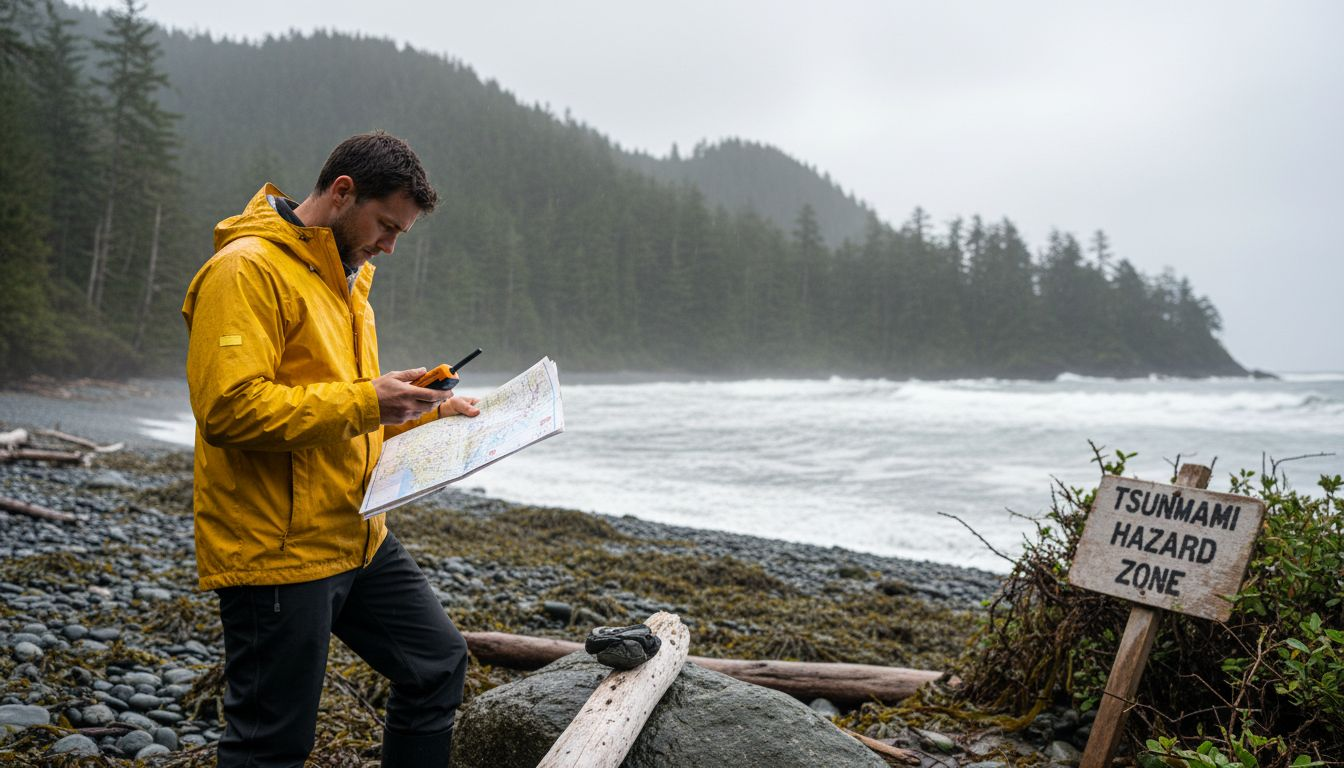
The geological complexity of the Cascadia Fault involves the Juan de Fuca tectonic plate subducting beneath the North American plate, generating immense potential energy. Megathrust earthquakes in this region can reach magnitudes exceeding 9.0, with historical evidence suggesting these massive events occur approximately every 500 years. The last documented major earthquake along this fault line occurred in 1700, which means the current geological window presents an elevated risk of a significant seismic event.
Potential impacts of a major Cascadia Fault earthquake include:
- Widespread ground shaking across coastal regions
- Potential tsunami generation
- Significant infrastructure damage
- Disruption of transportation and communication networks
- Potential loss of life and economic devastation
A major Cascadia Subduction Zone earthquake could fundamentally alter the landscape of British Columbia, causing unprecedented challenges for emergency response and community recovery.
Pro tip: Create a comprehensive emergency plan that includes multiple communication strategies, designated meeting points, and emergency supply caches to enhance your family’s resilience during potential large-scale seismic events.
Family Preparedness: Emergency Kits and Planning
Earthquake preparedness for families in Coastal British Columbia requires strategic planning and comprehensive emergency readiness. Creating a robust family emergency plan involves multiple critical components that go beyond simply assembling supplies, focusing on communication, education, and practical strategies to enhance safety during potential seismic events.
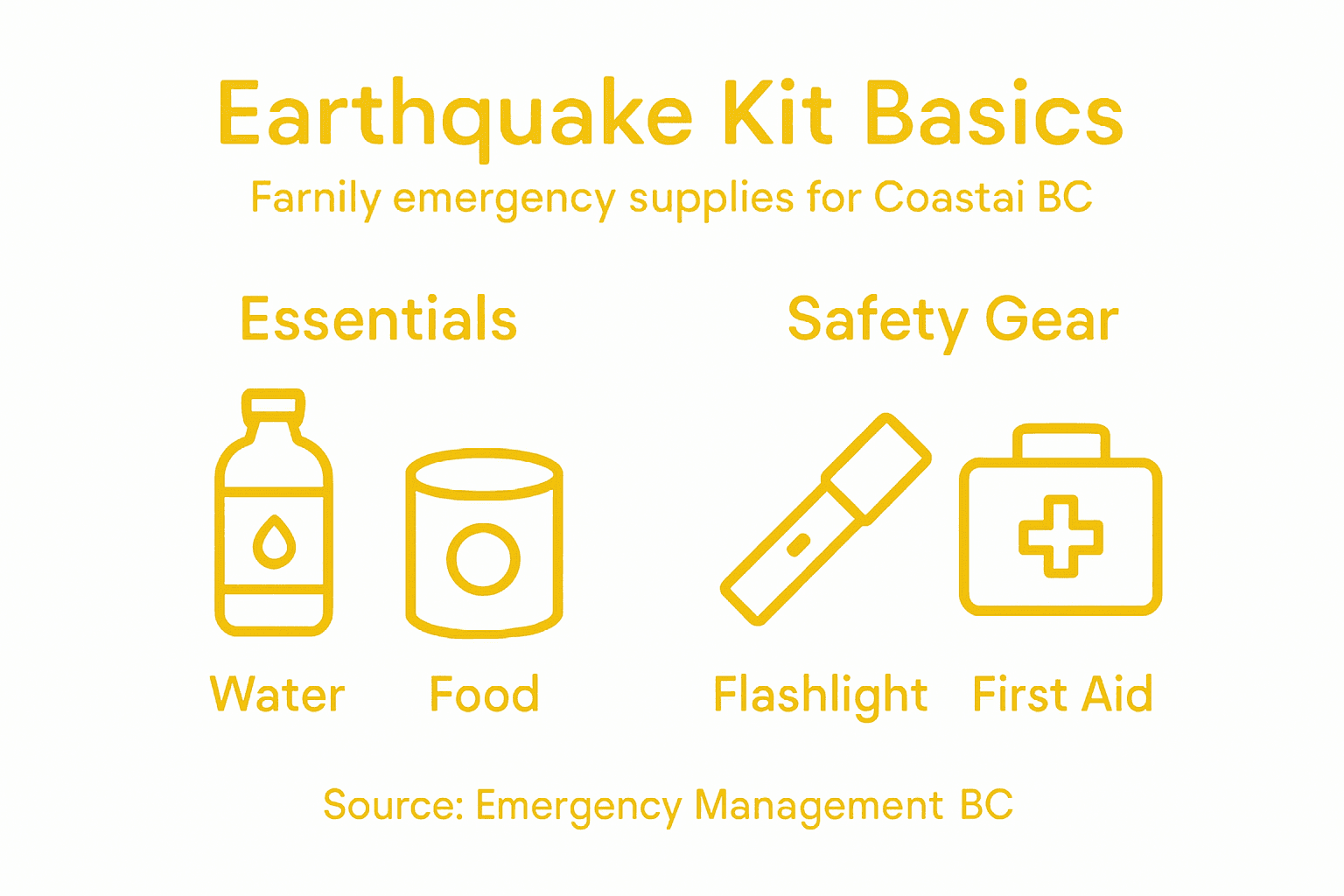
A well-designed family emergency kit must include essential supplies to sustain each family member for at least three days. Key emergency kit components should address basic survival needs, medical requirements, and communication capabilities. These supplies must be easily accessible, regularly updated, and tailored to your specific family composition, including considerations for children, elderly members, and any individuals with special medical needs.
Essential items for a comprehensive family emergency kit include:
- Minimum 4 liters of water per person per day
- Non-perishable food supplies
- First aid kit with necessary medications
- Flashlights and extra batteries
- Battery-powered or hand-crank radio
- Copies of important documents
- Basic hygiene and sanitation supplies
- Emergency contact information list
- Basic communication devices
- Warm clothing and blankets
Effective earthquake preparedness is not just about having supplies, but understanding how to use them and staying calm during potentially traumatic situations.
Pro tip: Conduct quarterly family emergency drills to ensure everyone understands their roles, practice communication strategies, and familiarize children with safety protocols.
To help you get started or enhance your earthquake kit, here’s a consolidated checklist comparing basic and advanced emergency supplies:
| Supply Category | Basic Emergency Kit | Advanced Emergency Kit |
|---|---|---|
| Water | Bottled water, minimum 4 L/person/day | Water purification tablets/filter |
| Food | Non-perishable packaged meals | Special diet items, infant formula, pet food |
| First Aid & Medications | Standard first aid kit | Prescription medications, medical equipment |
| Communication | Battery-powered radio | Two-way radios, portable chargers |
| Personal Items | Flashlight, extra batteries | Headlamp, emergency blankets, spare glasses |
| Documents | Photocopies of IDs, contacts list | Digital backups, property records, insurance |
Home Safety Measures and Avoiding Risks
Earthquake safety begins with proactively securing your home environment to minimise potential damage and injury during seismic events. Understanding and implementing strategic home safety measures can significantly reduce risks and protect your family from the destructive potential of sudden ground movements.
Structural modifications and preventative strategies are critical for minimising earthquake-related hazards. Furniture anchoring and strategic object placement can prevent dangerous projectiles and reduce the likelihood of serious injuries. Critical safety measures include bolting heavy furniture to walls, using museum wax to secure breakable items, installing childproof cabinet latches, and repositioning furniture away from potential fall zones near windows and unsecured objects.
Key home safety recommendations include:
- Bolt heavy furniture to wall studs
- Secure large appliances like water heaters
- Install gas seismic shut-off valves
- Use flexible connectors for gas appliances
- Move beds away from windows
- Anchor hanging light fixtures
- Place heavy items on lower shelves
- Use closed hooks for hanging objects
- Install childproof cabinet latches
- Create clear evacuation pathways
Earthquake preparation is not about eliminating all risks, but strategically minimising potential harm through thoughtful, proactive planning.
Pro tip: Conduct a comprehensive home safety audit every six months, systematically checking and updating your earthquake mitigation strategies to ensure ongoing family protection.
Government Recommendations and Legal Obligations
The Government of British Columbia has established comprehensive guidelines and legal frameworks for earthquake preparedness that outline critical responsibilities for residents and organisations. These recommendations are designed to enhance public safety, promote community resilience, and create systematic approaches to emergency management in seismically active regions.
Under the Emergency and Disaster Management Act, provincial authorities mandate specific preparedness requirements that extend beyond individual household preparations. These legal obligations include comprehensive risk assessments, emergency management planning, and establishing robust business continuity strategies. The Act emphasises proactive engagement with Indigenous governments, integrating climate change considerations, and developing comprehensive regulations to support effective emergency response mechanisms.
Key government recommendations for earthquake preparedness include:
- Participate in public preparedness exercises
- Attend the annual Great British Columbia ShakeOut
- Learn the “Drop, Cover, and Hold On” protocol
- Develop comprehensive family emergency plans
- Know local evacuation routes
- Understand tsunami risk in coastal areas
- Maintain updated emergency communication systems
- Support community resilience initiatives
- Engage with local emergency management organisations
- Stay informed about early warning systems
Legal preparedness is not just about compliance, but creating a culture of proactive safety and community resilience.
Pro tip: Review your local government’s emergency management guidelines annually and update your personal and family preparedness strategies accordingly.
Prepare Today for Coastal BC Earthquakes and Protect Your Family
Living in Coastal British Columbia means facing the real and urgent challenge of potentially devastating earthquakes from the Cascadia Subduction Zone. The article highlights key risks like megathrust earthquakes and local seismic activity that demand serious preparedness. Your family’s safety depends on having an easy access emergency kit that covers essentials for days following a major event. Preparing now reduces fear and empowers you to respond confidently when every second counts.
Do not wait until it is too late. EarthquakeKit.biz specialises in providing complete, reliable earthquake kits designed specifically for British Columbia’s unique seismic threats. Our kits align perfectly with government recommendations and include all critical supplies to keep your loved ones safe through any scenario. Take control of your earthquake preparedness by visiting EarthquakeKit.biz today.
Explore how you can build resilience with our ready-to-go earthquake kits and expert guidance. Get your family plan in place now so you are prepared for the “Big One”. Visit EarthquakeKit.ca emergency kits to start securing your peace of mind immediately.
Frequently Asked Questions
Why is it important to prepare for earthquakes in Coastal BC?
Preparing for earthquakes in Coastal BC is crucial due to the region’s proximity to the Cascadia Subduction Zone, which poses a significant risk for megathrust earthquakes that could cause extensive damage and loss of life.
What should I include in my earthquake emergency kit?
An effective earthquake emergency kit should include at least 4 litres of water per person per day, non-perishable food, a first aid kit, flashlights, batteries, a battery-powered radio, essential medications, and copies of important documents.
What are the key safety measures I should take for my home?
Key safety measures include bolting heavy furniture to walls, securing large appliances, installing gas seismic shut-off valves, and ensuring clear evacuation pathways. Regular safety audits of your home can help maintain preparedness.
How can I ensure my family understands earthquake emergency protocols?
Conducting regular family emergency drills and creating a clear, comprehensive family emergency plan can help ensure everyone understands their roles and response strategies during an earthquake.