

Earthquake readiness steps for BC families in 2026
Posted by Karl Lundgren on
Coastal British Columbia faces serious earthquake threats, with approximately 3,000 earthquakes occurring annually across the province. The looming Cascadia megathrust event, known locally as the Big One, makes family preparedness essential rather than optional. This guide walks you through practical earthquake readiness steps tailored specifically for BC families and caregivers, helping you build confidence and capability to protect your loved ones when disaster strikes.
Table of Contents
- Earthquake Readiness Criteria For Families In Coastal BC
- Assembling Your Earthquake Emergency Kits And Grab-And-Go Bags
- Securing Your Home And Planning For Communication During Earthquakes
- Safe Behaviours And Response Steps During And After An Earthquake
- Comparing Emergency Kit Options And Tailoring Your Plan
- Prepare Your Family With Earthquake Kits And Supplies Today
- Frequently Asked Questions
Key takeaways
| Point | Details |
|---|---|
| Emergency kits reduce post-earthquake stress | Proper kits and plans significantly improve safety outcomes and reduce anxiety during disasters. |
| Sustain families for 72 hours minimum | Kits should contain supplies for at least three days, ideally extending to two weeks. |
| Secure furniture and establish communication | Bolt heavy items to walls and create designated family meeting points with contact protocols. |
| Regular updates maintain readiness | Review kits every six months and practise emergency plans to ensure effectiveness. |
| Know immediate response actions | Use Drop, Cover, and Hold On during shaking and follow safe evacuation procedures afterward. |
Earthquake readiness criteria for families in coastal BC
Establishing clear readiness criteria helps BC families organise their earthquake preparedness systematically. Emergency preparedness significantly reduces stress and improves safety during and after earthquakes, making structured planning essential.
Start by developing comprehensive emergency plans that address communication, evacuation routes, and designated meeting points. Your plan should account for different scenarios: earthquakes during work hours, school days, weekends, or nighttime. Include contact information for local emergency services, utilities, and insurance providers.
Identify and mitigate home hazards methodically. Walk through each room noting unsecured furniture, heavy appliances, and items stored on high shelves that could fall during shaking. Water heaters, bookcases, and refrigerators pose particular risks without proper anchoring.
Pro Tip: Create a home hazard map with your family, marking dangerous zones and safe spots in each room where you can take cover during an earthquake.
Tailor your preparations to accommodate special needs within your household. Earthquake preparedness is not one-size-fits-all; plans and kits must address specific requirements for children, seniors, pets, and family members with mobility challenges or medical conditions. Include necessary medications, medical equipment, and comfort items for young children.
Regular review and updates keep your readiness effective. Schedule biannual reviews of your emergency plans, checking that contact information remains current and everyone understands their roles. Practise your plan through family drills, rotating who leads the response to build confidence across all members. Testing your plan reveals gaps and builds muscle memory for crisis situations.
Developing these foundational criteria creates a framework for all subsequent preparedness actions. Review your family emergency plans regularly to maintain household readiness as circumstances change.
Assembling your earthquake emergency kits and grab-and-go bags
Building comprehensive emergency kits forms the practical core of earthquake readiness. Start with household kits designed to sustain your entire family, then create personal Grab and Go bags for rapid evacuation scenarios.
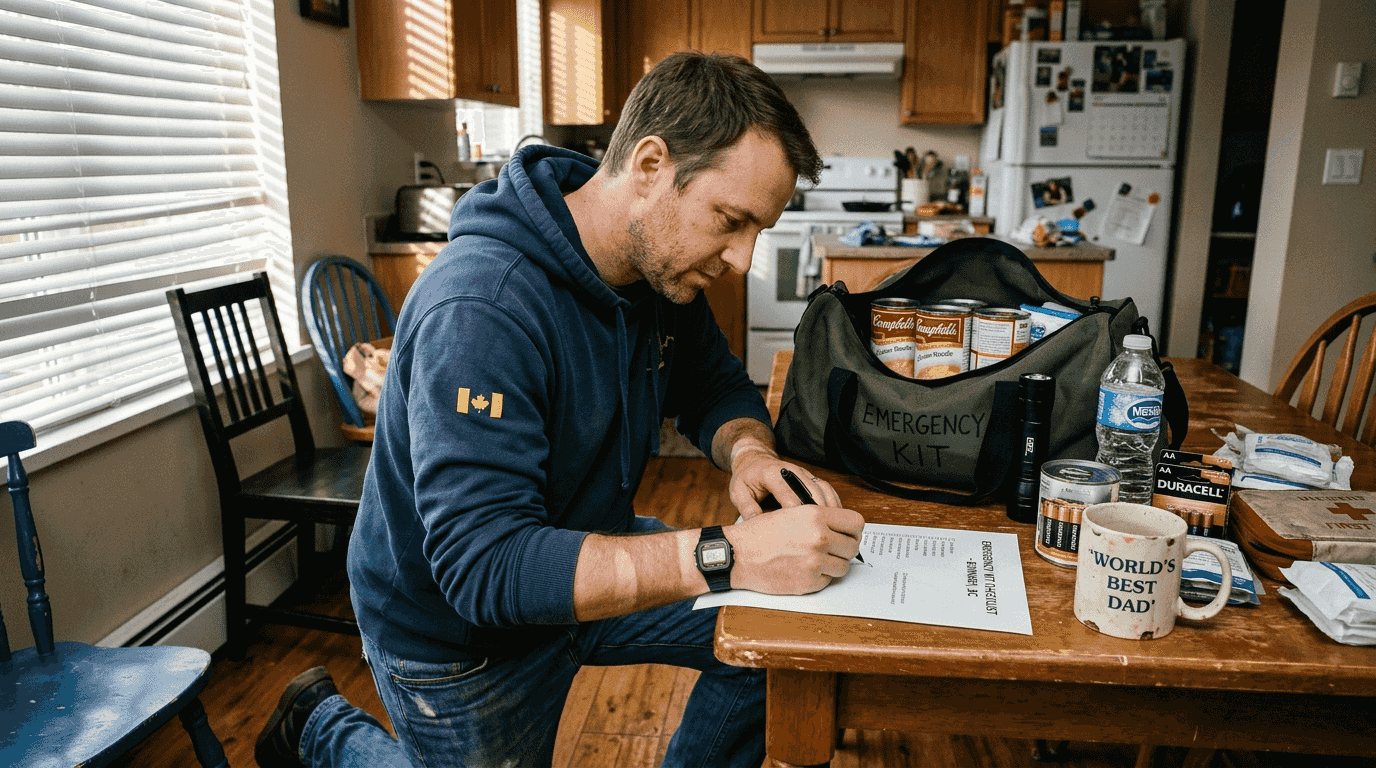
Your household kit requires 4 litres of water per person per day and non-perishable food for a minimum of three days. While 72 hours represents the baseline, extending supplies to two weeks provides greater security during prolonged disruptions. Store water in food-grade containers away from direct sunlight and concrete floors, which can leach chemicals over time.
Essential household kit components include:
- First aid supplies with bandages, antiseptics, pain relievers, and prescription medications
- Battery-powered or hand-crank radio for emergency broadcasts
- Flashlights with extra batteries (avoid candles due to fire risk)
- Manual can opener and disposable utensils
- Sanitation supplies including toilet paper, garbage bags, and personal hygiene items
- Blankets, emergency sleeping bags, and weather-appropriate clothing
- Cash in small denominations and copies of important documents in waterproof containers
Personal Grab and Go bags serve different purposes than household kits. Building a bag under one quarter of your body weight with essential personal items increases disaster resilience by enabling quick evacuation. These lightweight bags should contain medications, critical documents, basic hygiene supplies, and 24 hours of food and water.
Pro Tip: Pack a complete change of clothes in vacuum-sealed bags to save space and protect against moisture, ensuring you have clean, dry clothing even in wet conditions.
| Kit Type | Primary Contents | Ideal Duration | Storage Location |
|---|---|---|---|
| Household Emergency Kit | Water, food, first aid, tools | 3-14 days | Cool, accessible area |
| Grab and Go Bag | Documents, medications, basics | 24-72 hours | Near exit points |
| Vehicle Kit | Food, water, blankets, tools | 72 hours | Car boot or back seat |
| Workplace Kit | Snacks, water, comfortable shoes | 24 hours | Desk or locker |
Store kits in cool, shaded, accessible locations away from chemicals and temperature extremes. Basements work well for household kits, whilst Grab and Go bags belong near primary exits. Avoid placing kits where falling debris might trap them during an earthquake.
Update supplies systematically every six months, rotating food and medications to maintain freshness. Check batteries, replace expired items, and adjust contents as family needs evolve. Seasonal clothing changes require kit updates to match current weather conditions. Explore comprehensive earthquake kit personal supplies and review the organisation guide for detailed assembly instructions.
Securing your home and planning for communication during earthquakes
Physical home security and reliable communication protocols work together to protect families during earthquakes. Securing heavy furniture and appliances significantly reduces injury risk during shaking events.
Implement these critical home security measures:
- Bolt tall bookshelves, china cabinets, and entertainment centres directly to wall studs using L-brackets or furniture straps
- Anchor water heaters to wall framing with metal strapping at top and bottom to prevent tipping and gas line rupture
- Install safety latches on kitchen cupboards to prevent contents from spilling during tremors
- Secure refrigerators and heavy appliances using appliance straps or professionally installed brackets
- Move heavy objects like books, pottery, and electronics to lower shelves where falls cause less damage
- Use museum putty or earthquake gel to secure decorative items, picture frames, and electronics
- Install flexible gas line connectors and automatic shut-off valves to reduce fire risk
Pro Tip: Focus first on bedrooms and spaces where family members spend significant time, as securing these areas provides the greatest safety return on your effort.
Communication planning ensures family coordination when infrastructure fails. Including in-town and out-of-town contacts and alternate meeting locations improves communication reliability when local networks become overwhelmed or damaged.
Establish a communication hierarchy:
- Primary contact: Designate an out-of-province relative or friend as your central contact point
- Local contacts: Identify nearby neighbours or friends as backup communication channels
- Meeting points: Select three locations at increasing distances (front garden, neighbourhood park, community centre)
- Emergency numbers: Program ICE (In Case of Emergency) contacts into all mobile phones
| Communication Element | Primary Option | Backup Option | Notes |
|---|---|---|---|
| Out-of-area contact | Relative in Alberta | Close friend in Ontario | Long distance often works when local fails |
| Meeting point (near) | Front garden | Neighbour’s driveway | Within 100 metres of home |
| Meeting point (neighbourhood) | Local park | School playground | Within walking distance |
| Meeting point (distant) | Community centre | Library parking area | Outside immediate damage zone |
Practise your communication plan quarterly through family drills. Have each member attempt to reach the out-of-area contact using different methods (phone, text, email) to identify the most reliable channel. Walk to each meeting point together so children recognise landmarks and routes.
Share your emergency plan details with schools, daycares, and workplaces so caregivers understand your family protocols. Ensure children know primary and backup contacts by memory, not just stored in devices that might lose power. Review comprehensive family emergency planning strategies to strengthen your coordination approach.
Safe behaviours and response steps during and after an earthquake
Knowing precise actions to take during earthquake shaking and in the immediate aftermath prevents injuries and saves lives. The primary action during an earthquake is to Drop, Cover, and Hold On to reduce injury risk from falling objects and structural movement.
Immediate response during shaking:
- Drop to your hands and knees immediately when you feel shaking
- Take cover under a sturdy desk, table, or against an interior wall away from windows
- Hold on to your shelter and protect your head and neck with your arms
- Stay in position until shaking completely stops and you’re certain it’s safe to move
- If outdoors, move quickly away from buildings, trees, streetlights, and power lines to open ground
- If driving, pull over safely away from bridges, overpasses, and power lines, then stay inside your vehicle
Pro Tip: Practise Drop, Cover, and Hold On with your family monthly until the response becomes automatic, as you’ll have only seconds to react during actual shaking.
Remain indoors until shaking completely stops and you’ve assessed your immediate surroundings. Most injuries occur from people running outside during shaking, not from building collapse in modern structures. Glass, falling objects, and unstable building elements create the greatest immediate dangers.
Post-earthquake evacuation requires careful assessment. Evacuate only when safe, avoid elevators, and wait for official clearance before re-entry into damaged structures. Exit buildings using stairs, never elevators which might lose power or become stuck.
“After shaking stops, check yourself and others for injuries. Provide first aid for minor injuries and seek help for serious ones. Expect aftershocks and be prepared to Drop, Cover, and Hold On again.”
Post-shaking safety steps:
- Check for gas leaks by smell; if detected, shut off gas at the metre and evacuate immediately
- Turn off electricity at the main panel if you suspect electrical damage or see sparks
- Check water lines for leaks and shut off main valve if necessary
- Avoid using toilets until you confirm sewer lines remain intact
- Head to pre-designated meeting points to reunite with family members
- Monitor battery-powered radio for emergency information and official instructions
- Stay clear of damaged buildings and downed power lines
Wait for authorities to declare buildings safe before re-entering. Structural damage might not be immediately visible, and aftershocks can cause compromised buildings to collapse. Document property damage with photographs for insurance claims once it’s safe to do so. Understanding broader earthquake risks in British Columbia helps contextualise your local threat level and appropriate response intensity.
Comparing emergency kit options and tailoring your plan
Selecting the right emergency kit depends on family size, budget, and specific preparedness goals. Understanding available options helps you make informed decisions that match your household needs.
The effectiveness of emergency kits depends on their completeness and accessibility, making careful selection essential. Basic kits cover fundamental 72-hour supplies at budget-friendly prices, whilst deluxe versions extend coverage and include specialised items for comprehensive protection.
| Kit Type | Duration | Typical Contents | Best For | Price Range |
|---|---|---|---|---|
| Basic Earthquake Kit | 3 days | Water, food, first aid, light | Small households, budget-conscious | £75-150 |
| Deluxe Earthquake Kit | 7-14 days | Extended supplies, tools, comfort items | Larger families, extended preparedness | £200-400 |
| Government BC Kit | 3-7 days | Province-recommended items, local resources | Compliance with official guidelines | £100-250 |
| Custom Assembly | Variable | Tailored to specific needs | Special requirements, preferences | £50-500+ |
Basic kits provide essential coverage for smaller households or those beginning their preparedness journey. These streamlined options include water, non-perishable food, basic first aid supplies, flashlights, and emergency blankets. Whilst sufficient for mandatory 72-hour readiness, basic kits require supplementation for extended emergencies or larger families.
Deluxe kits offer comprehensive protection with extended food and water supplies, advanced first aid materials, emergency tools, sanitation supplies, and comfort items like games or books for children. These fuller kits suit larger households, families with young children or elderly members, or those prioritising extended self-sufficiency.
Pro Tip: Start with a quality basic kit, then gradually add specialised items based on your family’s unique needs rather than immediately purchasing the most expensive option.
Government BC aligned kits follow provincial recommendations and often include region-specific resources like earthquake safety guides, local emergency numbers, and BC-focused preparedness materials. These kits ensure compliance with official guidelines whilst supporting local emergency management initiatives.
Custom assembly provides maximum flexibility for families with specific requirements. Build your own kit when you need to accommodate dietary restrictions, medical conditions, pet supplies, or cultural preferences not addressed in pre-made options. Custom assembly costs vary widely based on selected components and quality levels.
Key selection factors:
- Family size and composition (children, elderly, pets)
- Available storage space and portability requirements
- Budget constraints and value priorities
- Specific medical or dietary needs
- Desired preparedness duration (3 days vs. 2 weeks)
- Preference for ready-made convenience vs. custom tailoring
Regular kit review and tailoring maximises preparedness effectiveness as family circumstances evolve. Update kits when adding family members, developing new medical conditions, or changing dietary requirements. Explore ready-made options including basic earthquake kits, deluxe earthquake kits, and Government BC earthquake kits to find the right fit for your household.
Prepare your family with earthquake kits and supplies today
Taking action now protects your family when disaster strikes. Ready-made earthquake kits save valuable time whilst meeting expert recommendations developed specifically for BC earthquake risks.
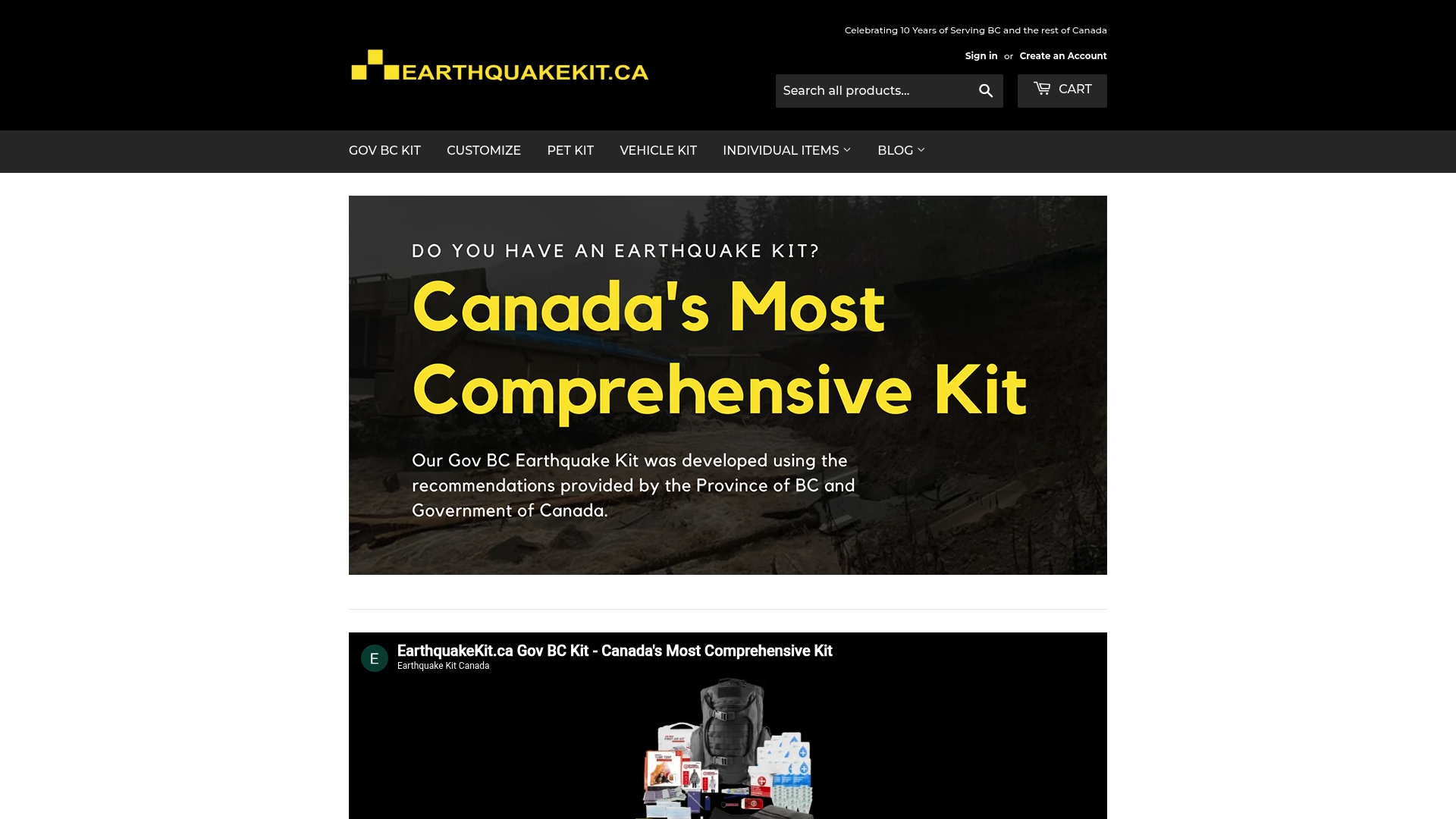
Choose from basic earthquake kits for essential 72-hour coverage or deluxe earthquake kits for extended family protection. Each option provides carefully selected supplies that address the unique challenges of earthquake emergencies in coastal British Columbia.
Customise your preparedness with earthquake kit personal supplies that supplement household kits or build tailored solutions for specific family needs. From medications to comfort items for children, personalised supplies ensure comprehensive coverage.
Purchasing quality kits today delivers immediate peace of mind and positions your family to weather earthquake emergencies with confidence. Don’t wait for the Big One to start preparing.
Frequently asked questions
How often should I update my earthquake emergency kit?
Check your emergency kit at least twice yearly, ideally when changing clocks for daylight saving time. Replace expired or used supplies promptly, rotating food, water, and medications every six months. Update clothing seasonally and adjust contents as family needs change. Regular reviews ensure your kit remains effective when you need it most. Browse Government BC earthquake kits for professionally maintained options.
What is the best way to secure heavy furniture and appliances at home?
Use wall anchors or bolts to secure tall furniture like bookcases and china cabinets directly to wall studs. Bolt bookshelves to walls, use safety latches on cupboards, and store heavy items on lower shelves to prevent falls. Secure water heaters and major appliances with metal strapping or professional-grade brackets. Focus first on rooms where family members sleep or spend significant time for maximum safety impact. Review detailed strategies in family emergency plans.
How should families plan communication and meeting points?
Establish an out-of-area contact person who can coordinate information when local networks fail. Designate in-town and out-of-town contacts and alternate meeting locations to ensure you can reconnect if phones or local networks fail. Select three meeting points at increasing distances from home: immediate area, neighbourhood location, and distant community site. Share emergency contacts with schools and workplaces so caregivers understand your protocols. Explore comprehensive family emergency planning strategies for detailed guidance.
How much food and water should I store for my family?
Plan for 4 litres of water per person per day: two for drinking, two for cooking and hygiene. Store at least a three-day food supply, ideally extending to two weeks for greater security during prolonged disruptions. Choose non-perishable foods that require minimal preparation and accommodate dietary restrictions. Rotate supplies every six months to maintain freshness. Supplement with earthquake kit personal supplies for comprehensive coverage.
What should I do during the shaking of an earthquake?
Immediately drop to your hands and knees when shaking begins. The primary safety action is to Drop, Cover, and Hold On until the shaking stops. Take cover under sturdy furniture or against interior walls away from windows, protecting your head and neck with your arms. Stay in position until shaking completely ends. If outdoors, move quickly to open ground away from buildings, trees, and power lines. Practise this response monthly with your family until it becomes automatic.