

Earthquake preparedness guide for BC residents 2026
Posted by Karl Lundgren on
British Columbia faces a stark reality: 92% of residents are exposed to seismic risk, yet many underestimate the potential devastation. The Cascadia fault line threatens coastal communities with a magnitude 9 earthquake that could strike within our lifetime. This guide cuts through the confusion with practical steps to protect your family and property. You will learn how to assess your risk, build essential emergency supplies, secure your home, and create a family action plan that works when seconds matter.
Table of Contents
- Understanding Earthquake Risk In British Columbia
- Key Components Of Earthquake Preparedness
- Choosing And Organising Emergency Supplies
- Practical Steps To Prepare Your Home And Family
- Prepare For Earthquakes With Earthquakekit.ca
- FAQ
Key takeaways
| Point | Details |
|---|---|
| Seismic exposure | Nearly all BC residents and businesses face significant earthquake risk from the Cascadia fault line. |
| Insurance gaps | Earthquake coverage is optional and many homeowners lack adequate protection for structural damage. |
| Essential preparation | Effective readiness requires emergency supplies, family drills, secure furniture, and clear communication plans. |
| Regular maintenance | Annual supply updates and participation in drills like the Great BC ShakeOut ensure ongoing readiness. |
Understanding earthquake risk in British Columbia
British Columbia sits on one of the world’s most active seismic zones. The Cascadia Subduction Zone stretches from northern Vancouver Island to northern California, creating constant tectonic pressure beneath our communities. This geological reality means 92% of the population faces seismic risk, affecting homes, businesses, and critical infrastructure across the province.
The economic consequences of a major earthquake would reshape British Columbia for decades. A magnitude 9 earthquake would cause $128 billion in losses and eliminate 43,700 jobs over ten years. These figures represent more than statistics; they reflect disrupted lives, destroyed businesses, and communities struggling to rebuild. The ripple effects would touch every sector from healthcare to education, transportation to housing.
Probability models provide sobering context for preparedness urgency. British Columbia has a 30% chance of experiencing a significant earthquake within the next 50 years. This timeframe encompasses your children’s education, your career peak, and your retirement plans. The question shifts from “if” to “when,” making proactive preparation a practical necessity rather than paranoid speculation.
Understanding your specific risk level helps prioritise preparedness actions:
- Coastal residents face higher tsunami risk following offshore earthquakes
- Urban areas with older buildings encounter greater structural collapse danger
- Rural communities may experience prolonged isolation due to damaged roads
- High-rise occupants need specialised evacuation strategies
“The time to prepare for an earthquake is before it happens. Once the shaking starts, your options become limited to the choices you made beforehand.”
This risk assessment forms the foundation for effective planning. Recognising the genuine threat motivates action without creating paralysing fear. The IBC earthquake risk report provides detailed regional analysis to help you understand your neighbourhood’s specific vulnerabilities. Taking earthquake readiness steps transforms abstract risk into concrete protection.
Key components of earthquake preparedness
Effective earthquake preparedness operates on multiple levels, each addressing different aspects of safety and recovery. Insurance forms your financial safety net, yet earthquake damage coverage is an optional add-on to most home insurance policies. Many BC residents discover this gap only after disaster strikes. Review your policy today to understand what structural damage, contents, and additional living expenses your coverage includes.
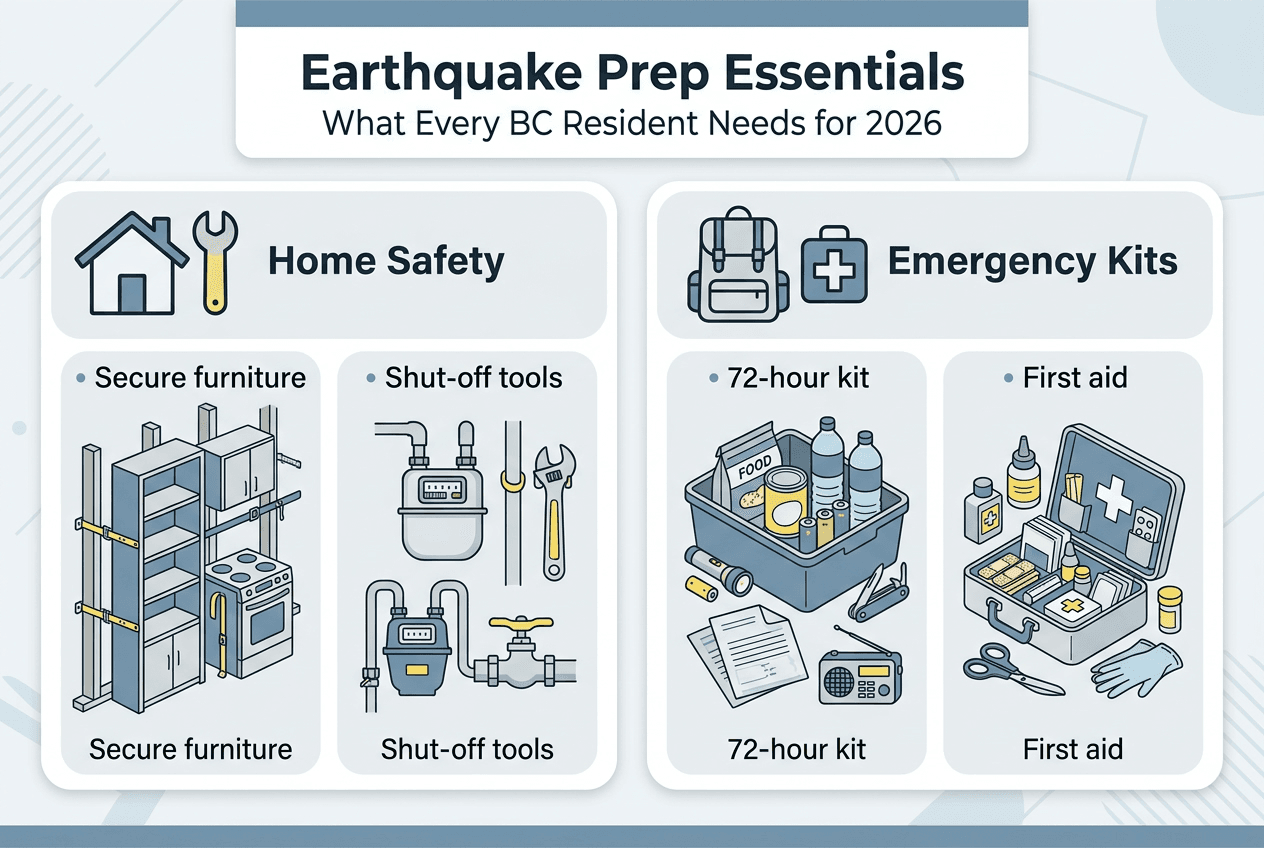
Your emergency plan serves as your family’s playbook during chaos. Identify safe spots in every room, typically under sturdy tables or against interior walls away from windows. Designate two meeting locations: one near your home for minor incidents and another outside your neighbourhood for major disasters. Establish an out-of-province contact person whom all family members can reach, since local phone networks often fail during emergencies.
Essential supplies bridge the critical gap between disaster strike and external help arrival. Government agencies recommend 72-hour kits as the minimum standard:
- Four litres of water per person per day for drinking and sanitation
- Non-perishable food requiring no cooking or refrigeration
- Battery-powered or hand-crank radio for emergency broadcasts
- Flashlights with extra batteries and backup charging methods
- First aid supplies including prescription medications and medical devices
- Important documents in waterproof containers
- Cash in small denominations for purchases when electronic systems fail
Regular drill participation transforms theoretical knowledge into muscle memory. The Great BC ShakeOut earthquake drill occurs annually, providing structured practice for proper safety techniques. During the drill, you practise “Drop, Cover, and Hold On,” the proven method that reduces injury during shaking. Schools, workplaces, and community centres coordinate participation, creating shared preparedness culture across the province.
Pro Tip: Set calendar reminders for quarterly family drills at unexpected times. Practising during dinner, sleep, or leisure activities reveals gaps in your plan that structured annual drills might miss.
Preparedness requires ongoing attention rather than one-time effort. Check your earthquake preparedness checklist quarterly to ensure supplies remain fresh and plans stay current. Family circumstances change, children grow, medical needs evolve, and these shifts demand corresponding updates to your emergency strategy. The IBC earthquake preparedness guide offers detailed recommendations for maintaining readiness over time.
Your government approved earthquake kits should reflect your household’s unique needs. Single professionals require different supplies than families with infants or elderly members with mobility challenges. Consider pet needs, dietary restrictions, and climate-appropriate clothing when assembling your kit. This customisation ensures your supplies actually support survival rather than creating additional stress during crisis.
Choosing and organising emergency supplies
Emergency kits range from basic survival packages to comprehensive deluxe systems, each designed for different scenarios and household sizes. Basic kits typically serve one to two people for 72 hours with essential water, food, and safety items. Intermediate options add comfort items like sleeping bags, personal hygiene products, and expanded first aid supplies. Deluxe kits accommodate larger families or extended survival periods with robust food variety, advanced tools, and comprehensive medical equipment.
Selecting appropriate supplies depends on honest assessment of your situation. Urban apartment dwellers need compact, portable kits they can grab quickly during evacuation. Suburban homeowners with storage space benefit from larger, more comprehensive systems. Rural residents far from emergency services require extended supplies and self-sufficiency tools. Consider these factors:
- Family size and ages of household members
- Special medical needs or dietary requirements
- Pet care essentials for animals who depend on you
- Climate-appropriate clothing and shelter materials
- Storage space available in your home and vehicle
Insurance coverage creates financial recovery options but cannot replace physical preparedness. Approximately 60% of homeowners in Metro Vancouver and 70% on Vancouver Island have earthquake insurance, leaving significant gaps in regional protection. Even with coverage, you still need immediate supplies to survive the first critical days. Insurance processes take weeks or months to resolve, whilst your family needs water, food, and shelter starting the moment disaster strikes.
| Kit Type | Serves | Duration | Key Contents | Best For |
|---|---|---|---|---|
| Basic | 1-2 people | 72 hours | Water, food bars, first aid, flashlight | Singles, couples, vehicle storage |
| Intermediate | 2-4 people | 72 hours | Basic plus blankets, hygiene, tools | Small families, home storage |
| Deluxe | 4-6 people | 5-7 days | Intermediate plus cooking, shelter, extended food | Large families, rural locations |
Organising supplies for quick access during emergencies saves precious seconds when your home shakes violently. Store your primary kit near your main exit in a waterproof container with wheels for easy transport. Create secondary kits for your vehicle, workplace, and children’s schools. Label everything clearly so family members or neighbours can locate items quickly if you are injured or separated.
Pro Tip: Photograph your kit contents and store the images on your phone. During high-stress situations, visual references help you quickly assess what you have and what you might need to improvise.
Rotation schedules prevent waste whilst maintaining freshness. Mark expiry dates prominently on all perishable items using permanent marker. Set quarterly reminders to check water, food, batteries, and medications. Consume items approaching expiry during camping trips or family outings, then immediately replace them with fresh supplies. This rotation system keeps your investment current without throwing away usable products.
The right earthquake kit for BC families balances comprehensiveness with practicality. Avoid the temptation to over-purchase items you will never realistically use or maintain. Focus on proven essentials that address your specific risks and household needs. Review your earthquake kit organisation strategy annually to ensure your system still serves your evolving family situation. The IBC earthquake insurance insights explain how physical preparedness and financial protection work together for comprehensive safety.
Practical steps to prepare your home and family
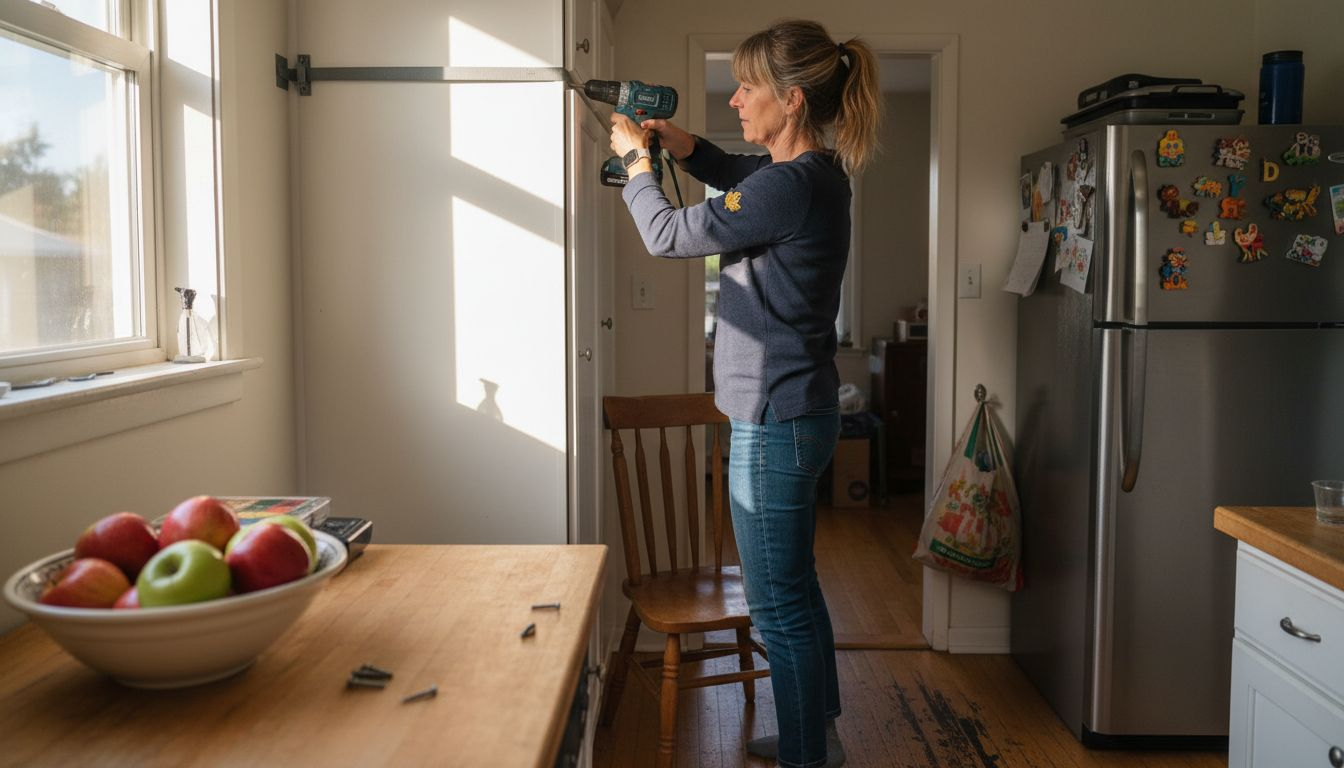
Securing your physical environment reduces injury risk and property damage when earthquakes strike. Heavy furniture and appliances become deadly projectiles during violent shaking. Anchor bookcases, water heaters, and refrigerators to wall studs using flexible straps designed for seismic activity. Secure televisions and computers with safety straps or museum putty. Move heavy objects to lower shelves where they pose less danger if dislodged. Install latches on cabinet doors to prevent contents from spilling out and creating obstacles during evacuation.
Your family communication plan eliminates confusion during the chaotic moments following an earthquake. Designate specific roles for each family member based on age and ability. One adult checks for injuries whilst another assesses structural damage. Older children help younger siblings gather emergency supplies. Establish a clear chain of command so everyone knows who makes decisions if your primary contact person is unavailable.
Critical communication elements include:
- Primary and backup meeting locations both near and far from home
- Out-of-province contact person all family members can reach
- School and workplace emergency procedures your family understands
- Neighbour notification system for checking on vulnerable residents
- Written copies of important phone numbers since mobile devices may fail
Participating in the Great BC ShakeOut earthquake drill provides structured practice for proper safety techniques. This annual province-wide event helps millions of British Columbians rehearse “Drop, Cover, and Hold On” simultaneously. Schools, businesses, and government offices coordinate participation, creating shared experience that strengthens community resilience. Register your household online to receive reminders and access to educational resources that enhance your preparedness knowledge.
Evacuation routes require advance planning since familiar paths may become blocked or dangerous. Identify three different routes from your home to your neighbourhood meeting point. Walk these routes with your family, noting potential hazards like unstable buildings, power lines, or bridges that might collapse. Teach children to recognise safe outdoor spaces away from structures, trees, and utility poles. Practice evacuating in darkness using only flashlights to simulate realistic emergency conditions.
“Preparation is not about predicting the future. It is about making choices today that give you options tomorrow when circumstances limit your ability to improvise.”
Maintaining preparedness requires scheduled reviews and updates. Set calendar reminders every six months to:
- Review and practise your family emergency plan
- Update contact information for out-of-province contacts
- Refresh emergency supply expiry dates and batteries
- Conduct surprise drills at unexpected times
- Discuss lessons learned and plan improvements
Your neighbourhood emergency plan connects individual preparedness to community resilience. Meet with neighbours to discuss mutual aid during disasters. Identify residents with medical training, construction skills, or emergency response experience. Establish a communication system for checking on elderly or disabled neighbours who may need assistance. Pool resources like generators, tools, and first aid supplies that benefit everyone during extended emergencies.
The earthquake readiness steps for BC families provide detailed guidance for implementing these practical measures. Start with high-impact actions like securing water heaters and creating communication plans, then expand to comprehensive home safety improvements over time. The IBC earthquake drills guide offers additional resources for organising workplace and community preparedness activities that extend protection beyond your immediate household.
Prepare for earthquakes with EarthquakeKit.ca
Transforming preparedness knowledge into action requires reliable supplies ready when disaster strikes. EarthquakeKit.ca specialises in emergency kits designed specifically for British Columbia’s seismic risks and climate conditions. Our basic earthquake kits provide essential 72-hour supplies for individuals and couples, whilst group earthquake kits serve larger families or workplace teams with comprehensive provisions.
Each kit includes government-recommended supplies organised for quick access during emergencies. Our personal earthquake supplies complement your preparedness plan with proven, ready-to-use items that require no assembly or guesswork. We eliminate the stress of sourcing individual components by providing complete systems that meet provincial emergency standards. Your family deserves protection backed by expertise and quality that performs when seconds count.
FAQ
How often should I update my earthquake emergency supplies?
Review your supplies every three months and conduct thorough updates annually. Check expiry dates on water, food, medications, and batteries during quarterly inspections. Replace items within six months of expiration to maintain maximum effectiveness. After using any supplies for drills or minor emergencies, replenish them immediately to restore full readiness.
What does earthquake insurance typically cover in BC?
Earthquake insurance covers structural damage to your home’s foundation, walls, and roof when you purchase the optional add-on. Most policies include contents coverage for damaged belongings and additional living expenses if your home becomes uninhabitable. However, coverage does not include emergency supplies, temporary displacement costs before claims process, or damage from fires that start after the earthquake unless specifically stated.
How can my family practise earthquake safety regularly?
Participate in the Great BC ShakeOut drill every October for structured province-wide practice. Conduct surprise home drills quarterly at different times like during meals or sleep to test your plan under varied conditions. Review your family emergency plan together every six months, updating contact information and discussing any changes in household circumstances or neighbourhood risks.
Do I need different earthquake kits for home, work, and vehicle?
Yes, maintaining separate kits ensures you have supplies wherever disaster strikes. Home kits should be comprehensive with 72-hour provisions for all family members. Vehicle kits need compact, weather-resistant supplies for roadside emergencies or evacuation scenarios. Workplace kits cover the hours you spend away from home with basic provisions until you can reunite with family or reach your primary supplies.
What items do people most often forget in earthquake kits?
Prescription medications top the list of forgotten essentials, along with copies of important documents like insurance policies and identification. Many overlook cash in small denominations since electronic payment systems fail during power outages. Pet supplies, including food and carriers, frequently get missed despite being critical for animal-owning households. Comfort items like books or games for children help manage stress during extended shelter periods but rarely make initial kit lists.